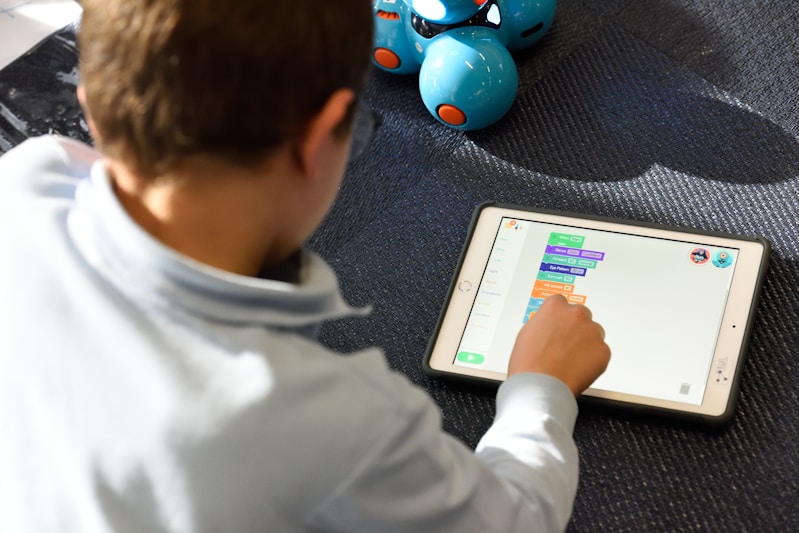
As we move further into 2024, the impact of eLearning continues to expand, shaping education, professional development, and personal growth in profound ways. Here’s a closer look at how eLearning is influencing various aspects of our lives:
Adaptive Learning Technologies
Advances in artificial intelligence (AI) and machine learning are enabling more personalized eLearning experiences. Adaptive learning platforms can tailor content and assessments to individual learning styles and paces, ensuring that each learner receives a customized education that meets their specific needs.
Flexible Learning Paths
eLearning allows for flexible learning paths that can accommodate different skill levels and interests. Learners can progress at their own pace, revisit challenging topics, and choose courses that align with their personal and professional goals.
Inclusive Design
Modern eLearning platforms are increasingly focusing on inclusivity by incorporating features like multilingual support, accessible design for learners with disabilities, and culturally relevant content.
Enhanced Engagement and Interactivity
The integration of virtual reality (VR), augmented reality (AR), and interactive simulations is revolutionizing eLearning. These technologies create immersive learning environments that enhance engagement and retention by allowing learners to interact with content in a more dynamic and hands-on way.
Continuous Learning
The rapid pace of technological advancement and changing job markets make lifelong learning essential. eLearning platforms provide opportunities for continuous professional development, allowing individuals to acquire new skills, earn certifications, and stay competitive in their fields.
Corporate Training
Businesses are increasingly leveraging eLearning for employee training and development. Online courses, webinars, and microlearning modules enable organizations to deliver training programs efficiently and cost-effectively.
Performance Tracking
Detailed analytics allow learners to track their own progress and identify areas for improvement. This self-awareness can lead to more targeted efforts and better learning outcomes.
Cost-Effectiveness and Resource Efficiency
eLearning eliminates many of the costs associated with traditional education, such as physical textbooks, classroom space, and travel expenses. This makes education more affordable and accessible for a wider audience. Additionally, online courses can be scaled to accommodate large numbers of learners without the logistical challenges of physical classrooms. This scalability is particularly advantageous for institutions and organizations looking to reach a broad audience.
The impact of eLearning in 2024 and beyond is profound, reshaping the landscape of education and professional development. As technology continues to advance, eLearning will become even more personalized, accessible, and engaging, offering opportunities for lifelong learning and growth. While there are challenges to address, the benefits of eLearning—such as increased flexibility, accessibility, and cost-effectiveness—make it an invaluable tool for learners and educators alike. Embracing these changes and adapting to the evolving eLearning environment will be key to harnessing its full potential and achieving success in the future.